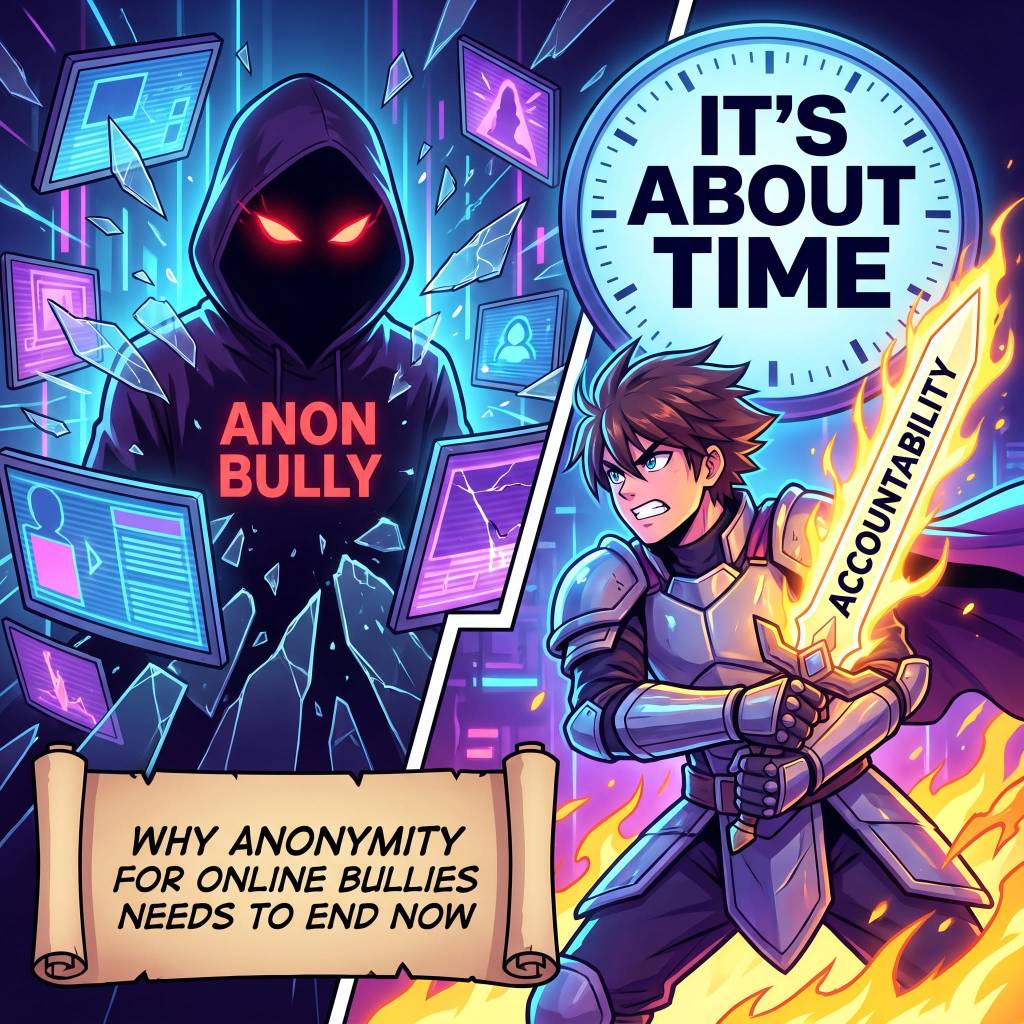
We’ve all seen it. You open a comment section on a trending post, and within seconds, you are swimming in a sea of toxicity. Insults, hate speech, and pure malice — often coming from accounts with no profile pictures, fake names, and zero accountability. Honestly, I’m so fed up with this!
Recently, the Victorian State Government in Australia made headlines by proposing a law to introduce “demasking orders.” This would give authorities the power to force social media platforms to hand over the real identities of anonymous trolls and bullies.
My opinion? This should have been done a long time ago, globally, across every single platform.
The Problem with “Anonymous” Features
Lately, platforms like Facebook have introduced features that allow users to post anonymously in groups or use completely fabricated nicknames. While the tech giants claim this protects privacy, in reality, it has opened the floodgates for coward behaviour.
Because, let’s be honest! Anonymity removes the social consequences of being a terrible human being. If you aren’t brave enough to attach your real name and face to your words, you shouldn’t be allowed to post them. Period. All online bullying should be stopped by the absolute force of the law.
But if the solution seems this obvious, why haven’t governments around the world passed these laws yet?
The Real Reasons These Laws Keep Getting Blocked
While we want a cleaner and safer internet, getting these laws live is incredibly difficult. I’m risking to say impossible. Here is a look at the massive roadblocks stopping governments from enforcing real-name laws:
1. The Cash Cow: Conflict of Interest for Tech Giants
Let’s call it what it is: outrage equals engagement, and engagement equals billions in ad revenue.
- Bullies tend to comment aggressively. And a lot.
- Their toxic remarks spark heated, back-and-forth debates. Which means comments.
- Thousands of people flock to the comment section to argue, watch the drama, and offend or defend someone. To a social media algorithm, a toxic, 500-comment fight is a goldmine. It keeps users on the app longer, meaning more advertisements are served. If platforms ban nicknames and unmask trolls, they lose traffic—and losing traffic means losing money. Tech giants lobby hard to keep their platforms exactly as they are today.
2. The Tech & VPN Loophole
Even if Victoria or any other state or country passes a law, how do you enforce it globally? If a troll uses a Virtual Private Network (VPN) to mask their location, or if the account is operated from a completely different country, local laws lose their ability to stop them. Social media companies are global entities, and forcing them to comply with localized jurisdiction is a legal nightmare.
3. The Data Breach & Security Risk
To completely ban anonymity, every social media company would have to collect and verify government-issued IDs (like passports or driver’s licenses) for every single user. Do we really trust companies like Meta or TikTok to securely store the legal identities of billions of people? Nope, right? A single data breach could expose the real-world addresses and identities of millions to hackers and identity thieves.
4. The “Free Speech” and Human Rights Debate
In democratic countries, freedom of speech is heavily protected. Civil groups argue that stripping away online anonymity hurts vulnerable people. For example, whistle blowers exposing corporate corruption, political dissidents fighting oppressive regimes, or victims of domestic abuse seeking support groups all rely on anonymity to stay safe. Human rights laws make it incredibly tough for governments to pass blanket bans without facing massive constitutional challenges.
The Bottom Line
“Hiding behind an anonymous account online should never mean you can vilify someone and get away with it.”
Victoria’s proposed law is a massive step in the right direction, but it’s facing an uphill battle against big tech money, legal red tape, and privacy concerns.
The internet has evolved past the point of innocent screen names. It’s time for the law to catch up and protect people from psychological harm. If you want to speak in the public square, you should show your face.
What do you think? Should anonymity be banned completely to stop bullying, or do we still need it to protect privacy? Let me know in the comments!